
You spend about one-third of your life doing it, yet you probably don’t give sleep much thought—until you can’t get enough. Sleep isn’t just a passive state of rest; it’s an active, essential biological process that affects every aspect of your health and performance. Understanding the science of sleep could be the key to unlocking better health, sharper thinking, and improved mood.
The World Health Organization has declared a sleep loss epidemic in industrialized nations, with approximately one-third of adults reporting regular insufficient sleep. The consequences extend far beyond feeling tired—chronic sleep deprivation has been linked to serious health conditions including obesity, diabetes, cardiovascular disease, and compromised immune function.The Science of Sleep
The Architecture of Sleep: More Than Just Closing Your Eyes
When you sleep, your brain cycles through different stages in a predictable pattern throughout the night. Understanding these stages reveals why both sleep quantity and quality matter.
Stage 1: Light Sleep (5-10 minutes)
This transitional phase between wakefulness and sleep features slow eye movements and reduced muscle activity. You can be easily awakened during this stage, sometimes experiencing sudden muscle contractions.The Science of Sleep
Stage 2: True Sleep (45-55% of night)
Your heart rate slows, body temperature drops, and brain waves become slower with occasional bursts of rapid waves called sleep spindles. This stage is crucial for memory consolidation and learning.The Science of Sleep
Stages 3 & 4: Deep Sleep (15-25% of night)
During deep sleep or slow-wave sleep, your brain produces delta waves. This is the most restorative stage, when tissue repair occurs, growth hormone is released, and energy is restored. Waking someone from deep sleep is difficult, and they’ll often feel disoriented.
REM Sleep (20-25% of night)
Rapid Eye Movement sleep typically begins about 90 minutes after falling asleep. Your brain becomes highly active, dreams are vivid, and your body experiences temporary paralysis of limb muscles. REM sleep is essential for emotional regulation, memory processing, and learning.
A complete sleep cycle through all stages takes about 90-110 minutes, and you typically experience 4-6 cycles per night. The proportion of REM sleep increases with each successive cycle, which is why cutting your sleep short often means missing crucial REM sleep.
The Circadian Rhythm: Your Internal Clock
Your sleep-wake cycle is regulated by your circadian rhythm—a 24-hour internal clock running in the background of your brain. This biological clock is primarily influenced by light exposure, which explains why traveling across time zones or working night shifts can be so disruptive.
The circadian rhythm affects:
-
Sleep timing and propensity
-
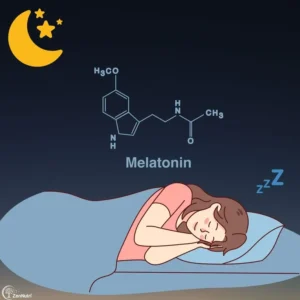
Hormone production (including melatonin and cortisol)
-
Body temperature regulation
-
Metabolism and eating patterns
When your circadian rhythm is disrupted, you experience the physiological equivalent of permanent jet lag, with consequences for both physical and mental health.
Why Sleep Matters: The High Cost of Sleep Deprivation
Cognitive Consequences:
Sleep deprivation impairs attention, working memory, mathematical capacity, logical reasoning, and even moral judgment. After being awake for 17-19 hours, your cognitive performance can be equivalent to someone with a blood alcohol content of 0.05%—legally drunk in many countries.The Science of Sleep
Emotional Impact:
The amygdala—the brain’s emotional center—becomes up to 60% more reactive when you’re sleep-deprived, while connections to rational thinking regions weaken. This explains why everything seems more overwhelming when you’re tired.
Physical Health Risks:
Chronic sleep deprivation (less than 6-7 hours nightly) increases your risk for:
-
Weight gain and obesity (disrupts appetite hormones)
-
Type 2 diabetes (impairs glucose metabolism)
-
Cardiovascular disease (increases blood pressure and inflammation)
-
Weakened immune function (reduces natural killer cell activity)
The Memory Connection:
During sleep, your brain transfers memories from the hippocampus (temporary storage) to the cortex (long-term storage). This process, called memory consolidation, is essential for learning new information and skills.
Common Sleep Disruptors in the Modern World
Several factors unique to modern life interfere with natural sleep patterns:The Science of Sleep
Blue Light Exposure:
Electronic devices emit blue light that suppresses melatonin production, tricking your brain into thinking it’s daytime. Using phones, tablets, or computers before bed can delay sleep onset by hours.The Science of Sleep
Irregular Schedules:
Inconsistent bedtimes and wake times confuse your circadian rhythm, making it harder to fall asleep and wake up refreshed. The Science of Sleep
Temperature Regulation:
Many people sleep in rooms that are too warm. Your body needs to drop its core temperature by about 2-3 degrees Fahrenheit to initiate and maintain sleep.
Mental Stimulation:
Constant connectivity and information overload keep our brains in a state of high alert, making it difficult to wind down at bedtime.
Evidence-Based Strategies for Better Sleep
1. Master Your Sleep Environment
-
Temperature: Keep your bedroom between 60-67°F (15-19°C)
-
Light: Use blackout curtains and eliminate electronic light sources
-
Noise: Consider white noise machines or earplugs if needed
-
Bed Use: Reserve your bed only for sleep and intimacy
2. Establish a Wind-Down Routine
Create a consistent 30-60 minute pre-sleep routine to signal to your brain that it’s time to sleep. This might include:
-
Reading a physical book (not a screen)
-
Taking a warm bath (the subsequent temperature drop promotes sleep)
-
Practicing relaxation techniques like meditation or gentle stretching
-
Writing down worries in a journal to clear your mind
3. Manage Light Exposure
-
Get bright light exposure first thing in the morning to reset your circadian clock
-
Reduce blue light exposure 2-3 hours before bed
-
Use blue light filters on electronic devices in the evening
-
Consider amber-tinted glasses for evening screen use The Science of Sleep
4. Optimize Your Schedule
-
Go to bed and wake up at the same time every day, even on weekends
-
If you need to nap, limit it to 20-30 minutes before 3 PM
-
Allow 7-9 hours for sleep—the optimal range for most adults
5. Watch What You Consume
-
Avoid caffeine after 2 PM (it has a 5-6 hour half-life)
-
Limit alcohol—while it may help you fall asleep, it disrupts sleep quality
-
Avoid heavy meals within 2-3 hours of bedtime
-
Stay hydrated but reduce fluids 1-2 hours before bed to minimize nighttime bathroom trips
When to Seek Help: Recognizing Sleep Disorders
While occasional sleep difficulties are normal, persistent issues may indicate a sleep disorder:The Science of Sleep
Insomnia: Difficulty falling or staying asleep at least three nights per week for three months
Sleep Apnea: Loud snoring, gasping, or breathing interruptions during sleep
Restless Legs Syndrome: Uncomfortable sensations and urge to move legs when resting
Circadian Rhythm Disorders: Inability to sleep during desired times due to misaligned biological clock
If sleep problems significantly impact your daytime functioning or persist despite good sleep habits, consult a healthcare provider or sleep specialist.The Science of Sleep
The Productivity Paradox of Sleep
In our productivity-obsessed culture, sleep is often viewed as time wasted. However, this perspective is fundamentally flawed. Adequate sleep actually enhances productivity through:
-
Improved focus and concentration
-
Enhanced problem-solving and creativity
-
Better emotional regulation and interpersonal skills
-
Reduced errors and accidents
Sacrificing sleep to work more is counterproductive—you’re essentially working slower with worse results.The Science of Sleep
Conclusion: Making Sleep a Priority
Sleep isn’t a luxury; it’s a biological necessity. Just as you prioritize nutrition and exercise for health, prioritizing sleep may be one of the most impactful changes you can make for your physical health, mental performance, and emotional well-being.
The journey to better sleep begins with small, consistent changes. Start with one or two strategies from this article, track your progress, and build from there. Your body and brain will thank you with improved mood, sharper thinking, and better health.The Science of Sleep
Remember: when you improve your sleep, you don’t just improve your nights—you improve your days, your health, and your life.

 Editor