
Green energy—often referred to as renewable or clean energy—has become one of the most important global priorities of the 21st century. As the world faces significant challenges from climate change, pollution, and environmental degradation, the shift from fossil fuels to renewable energy sources is more critical than ever. Green energy offers a sustainable and eco-friendly alternative that can power homes, industries, and cities without harming the planet.
Over the last few decades, solar, wind, hydropower, geothermal, and biomass energy technologies have evolved rapidly. Governments, industries, and consumers are marching toward a greener, cleaner future. This article provides a comprehensive understanding of green energy—its meaning, types, importance, benefits, challenges, and future potential.
1. What is Green Energy?
Green energy refers to electricity, heat, or fuel generated from natural, renewable resources that have minimal environmental impact. Unlike fossil fuels such as coal, oil, and natural gas—which release harmful greenhouse gases—green energy sources are clean, abundant, and continually replenished.
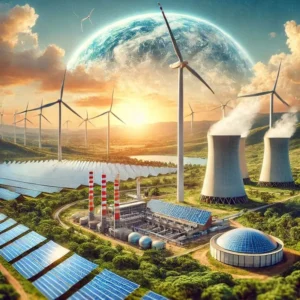
Key characteristics of green energy include:
-
Low or zero carbon emissions
-
Environmentally sustainable
-
Renewable and naturally replenished
-
Reduces dependency on fossil fuels
-
Promotes long-term energy security
Today, green energy is at the heart of global sustainability strategies, climate agreements, and government policies aimed at reducing global warming.
2. Types of Green Energy
Green energy comes from a variety of natural sources. Each type has unique characteristics, applications, and environmental benefits.
1. Solar Energy
Solar power is the most widely used and rapidly growing form of green energy. Photovoltaic (PV) panels convert sunlight directly into electricity, while solar thermal plants use mirrors to concentrate sunlight and produce heat.
Applications:
-
Residential rooftops
-
Solar farms
-
Street lighting
-
Portable solar chargers
-
Solar water heaters
Advantages:
-
Abundant and accessible
-
Low maintenance
-
Cost-effective in the long run
2. Wind Energy
Wind turbines convert the kinetic energy of wind into electricity. Wind farms can be built onshore or offshore, with offshore turbines generating more consistent power.
Benefits:
-
Zero emissions
-
Extremely efficient in windy regions
-
Lower operational costs
Applications:
-
Powering rural areas
-
Large-scale electricity generation
-
Hybrid solar-wind systems
3. Hydropower
Hydropower uses flowing or falling water to generate electricity. It is one of the oldest and most reliable renewable sources.
Types of hydropower:
-
Large dams
-
Small hydro systems
-
Run-of-the-river systems
Advantages:
-
Consistent and reliable
-
Low emissions
-
Supports water management and irrigation
4. Biomass Energy
Biomass refers to organic materials like agricultural waste, wood, animal manure, and food waste, which are burned or converted to produce energy.
Forms of biomass energy:
-
Biogas
-
Biofuels (ethanol, biodiesel)
-
Direct biomass combustion
Benefits:
-
Reduces waste
-
Renewable
-
Can be used for heating, electricity, and transportation
5. Geothermal Energy
Geothermal energy comes from the natural heat stored beneath the Earth’s surface. It can be used to generate electricity or provide direct heating.
Applications:
-
Heating buildings
-
Geothermal power plants
-
Industrial heating systems
Advantages:
-
Highly reliable
-
Produces very low emissions
-
Not affected by weather
3. Importance of Green Energy
Green energy plays a crucial role in addressing several environmental and economic challenges. Its importance can be understood through the following points:
1. Reduces Greenhouse Gas Emissions
Fossil fuels are the leading contributors to global warming. Renewable energy sources produce little to no greenhouse gases, helping slow climate change.
2. Enhances Energy Security
Countries can reduce dependence on imported oil and gas by developing local renewable energy resources.
3. Promotes Sustainable Development
Green energy supports the United Nations Sustainable Development Goals (SDGs), especially goals related to clean energy, climate action, and economic growth.
4. Creates Jobs and Economic Opportunities
The renewable energy sector creates millions of jobs worldwide in manufacturing, installation, maintenance, research, and innovation.
5. Reduces Air and Water Pollution
Renewable sources do not release toxic pollutants, making them essential for improving public health and environmental quality.
4. Benefits of Green Energy
1. Environmentally Friendly
Green energy reduces carbon emissions, protects biodiversity, and minimizes land and water pollution.
2. Economic Stability
Renewable energy prices are becoming cheaper, more predictable, and more stable than fossil fuel prices.
3. Renewable and Endless Supply
Solar and wind energy are virtually limitless; geothermal heat will not run out for billions of years.
4. Technological Advancements
Recent advancements—such as improved solar panels, efficient wind turbines, and smart grids—make renewable energy more accessible.
5. Reduced Cost Over Time
Although the initial installation may be expensive, operating costs are very low, making it more affordable in the long term.
5. Challenges in Green Energy Adoption
Despite its many benefits, green energy faces certain challenges that need to be addressed.
1. High Initial Investment
Solar panels, wind turbines, and hydropower plants require significant upfront costs.
2. Intermittency Issues
Some renewable sources depend on weather:
-
Solar needs sunlight
-
Wind requires wind conditions
However, energy storage technologies are improving rapidly.
3. Land and Space Requirements
Large renewable energy projects may require huge land areas, leading to land-use conflicts in densely populated regions.
4. Grid Integration Challenges
Existing power grids may not be designed to accommodate variable renewable sources.
5. Environmental Impacts
While much lower than fossil fuels, some renewable technologies pose minor environmental concerns:
-
Hydropower can affect river ecosystems
-
Wind turbines may impact bird populations
These challenges can be mitigated with proper planning and improved technology.
6. The Future of Green Energy
The future of global energy is undeniably green. Governments, industries, and innovators are shifting toward renewable technologies.
Emerging trends include:
-
Mass adoption of electric vehicles (EVs)
-
Smart grids and energy storage solutions
-
Hydrogen fuel as a clean energy carrier
-
Floating solar farms
-
Offshore wind expansion
-
Carbon capture and storage (CCS)
-
AI and automation in energy management
Global commitments like Net Zero 2050
Countries worldwide have pledged to reach “net zero emissions,” meaning they will reduce or offset greenhouse gas emissions.
Corporate sustainability
Companies in all sectors are investing in renewable energy to reduce carbon footprints and appeal to environmentally conscious consumers.
Consumer Awareness
More households and individuals are installing solar panels, using energy-efficient appliances, and switching to electric transportation.
Overall, the future of green energy is bright, promising cleaner air, economic growth, and a sustainable planet.
Conclusion
Green energy is not just a technological change—it is a global movement toward a cleaner, healthier, and more sustainable world. With solar, wind, hydro, geothermal, and biomass technologies rapidly advancing, renewable energy is becoming more accessible and affordable than ever before. While challenges remain, the benefits far outweigh the obstacles.
From reducing pollution to creating jobs, improving public health, and fighting climate change, green energy is essential for a sustainable future. As technologies improve and awareness grows, the world is steadily moving toward a green energy revolution that will benefit generations to come.


 Editor