
Gautam Shantilal Adani was born on June 24, 1962, in Ahmedabad, Gujarat, into a middle-class textile family. The seventh child of Shantilal and Shanti Adani, he displayed an entrepreneurial spirit early on, dropping out of college at 16 to seek his fortune in Mumbai. He started as a diamond sorter at Mahindra Brothers before launching his own diamond brokerage at 20. This initial foray into trading revealed his keen instinct for commodities and market timing—a skill that would define his career. Returning to Ahmedabad in the early 1980s to help his brother’s plastics business, he laid the foundation for what would become one of the world’s largest and fastest-growing conglomerates.
The Adani Group: A Vertical Empire
Founded in 1988, the Adani Group has evolved from a modest commodity trading firm into a diversified infrastructure mega-conglomerate with a “pit-to-plug” strategy—controlling every link in the supply chain from resource extraction to delivery to end consumers.
Core Business Verticals:
-
Ports & Logistics:
-
Adani Ports & Special Economic Zone (APSEZ): India’s largest private port operator, managing 13 domestic ports (including Mundra, the country’s largest) and handling nearly 25% of India’s total port cargo. Its strategic network covers both the eastern and western coasts of India.
-
-
Energy:
-
Thermal Power: Adani Power is India’s largest private thermal power producer.
-
Renewable Energy: Adani Green Energy is the world’s largest solar power developer, with a staggering target of 45 GW renewable capacity by 2030. It operates vast solar and wind farms across India.
-
Gas Distribution: Adani Total Gas serves millions of consumers and industries.
-
-
-
Coal Mining: Major player in coal trading and mining, both in India (through MDO contracts) and internationally (notably the controversial Carmichael mine in Australia).
-
Commodities Trading: A global leader in trading coal, iron ore, and edible oils.
-
-
New & Strategic Infrastructure:
-
Airports: In a landmark move, Adani acquired the rights to operate, manage, and develop six major airports (Mumbai, Ahmedabad, Lucknow, etc.) in 2021, making it India’s largest private airport operator.
-
Defence & Aerospace: A new vertical focused on manufacturing drones, small arms, and aerospace components.
-
Data Centers: Building a network of green data centers across India.
-
Roads & Water Infrastructure: Significant projects in highways and integrated water management.
-
The Meteoric Rise in Wealth and the Hindenburg Shock
Gautam Adani’s net worth journey is one of the most dramatic in financial history.
-
Pre-2020: Steady growth established him as a billionaire.
-
2020-2022: Explosive Growth. Adani’s fortune skyrocketed, increasing by over $100 billion in just two years. By September 2022, he had surpassed Jeff Bezos and Bernard Arnault to become, briefly, the second-richest person in the world, with a peak net worth of ~$150 billion. This surge was fueled by aggressive expansion, massive debt-funded capital expenditure, and soaring stock prices of his seven listed companies, which saw valuations increase by more than 1,000% in three years.
-
January 2023: The Hindenburg Report. New York-based short-seller Hindenburg Research published a scathing report titled “Adani Group: How The World’s 3rd Richest Man Is Pulling The Largest Con In Corporate History.” It accused the group of stock manipulation, accounting fraud, and unsustainable debt through a network of offshore shell entities.
-
The Aftermath: The report triggered a massive stock market crash for Adani companies, wiping out over $150 billion in market value in weeks. Adani’s personal wealth plummeted by over $80 billion. The group denied all allegations, called the report an “attack on India,” and launched a recovery plan including debt prepayments, a $1.87 billion secondary share sale (withdrawn due to market volatility), and attracting new equity investments from GQG Partners and Qatar Investment Authority.
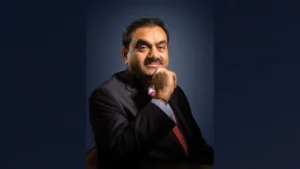
Net Worth and Current Standing (as of late 2023/early 2024)
Following a significant recovery from the Hindenburg lows, Gautam Adani & Family’s net worth is estimated at $80 – $100 billion, consistently placing him as the second-richest person in India (after Mukesh Ambani) and within the global top 20. The recovery is attributed to strong operational performance, debt reduction, strategic investor backing, and favorable Indian infrastructure policies.
Business Philosophy and Political Nexus
Adani’s success is often attributed to a powerful alignment with India’s national development goals. His model is characterized by:
-
Nationalist Capitalism: Building businesses in core infrastructure sectors (energy, ports, airports) deemed critical to India’s growth, often positioning himself as a partner to the state.
-
Debt-Fueled Growth: Aggressive use of leverage to finance rapid expansion, a strategy that carries high risk but has delivered immense scale.
-
Speed & Execution: A reputation for acquiring projects and executing them with remarkable speed, often in challenging environments.
-
Political Alignment: His rise has closely paralleled the political rise of Prime Minister Narendra Modi, also from Gujarat. Adani’s investments frequently align with government priorities like “Make in India,” green energy transitions, and infrastructure modernization. While both deny favoritism, critics describe the group as a primary beneficiary of “crony capitalism.”
Philanthropy: The Adani Foundation
Led by Gautam Adani’s wife, Dr. Priti Adani, the Adani Foundation focuses on four key pillars in communities around its vast operational footprint:
-
Education: From primary schools to skill development centers.
-
Healthcare: Hospitals, community health centers, and mobile medical units.
-
Sustainable Livelihood: Promoting agriculture, women’s entrepreneurship, and income generation.
-
Community Infrastructure: Developing villages with water, sanitation, and road facilities.
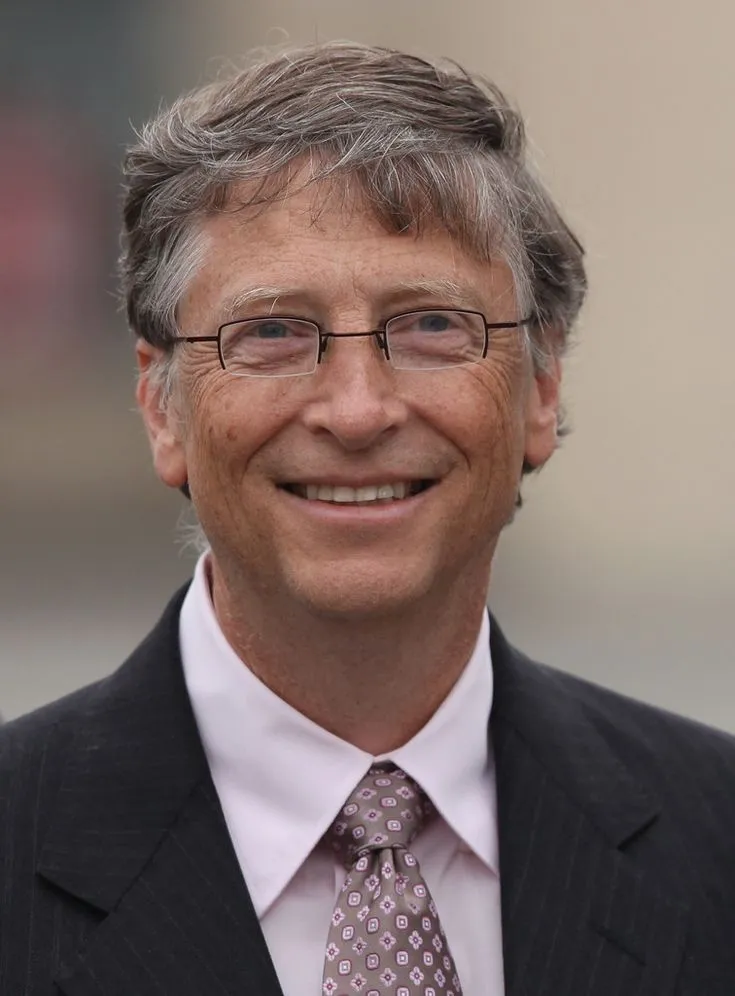
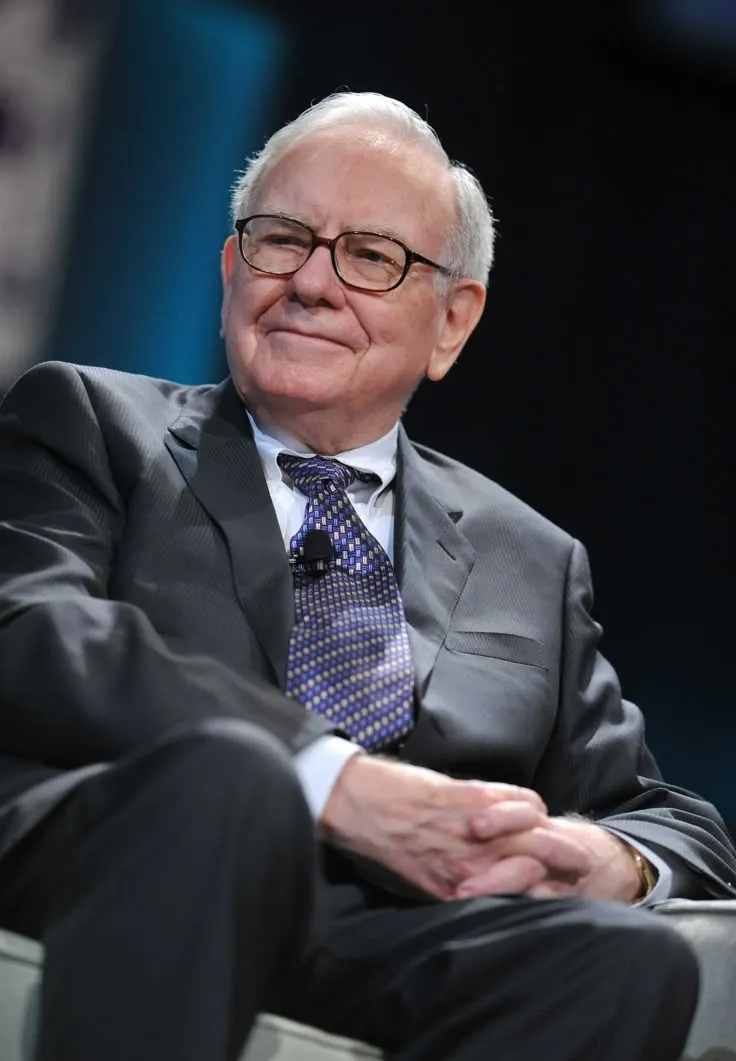
The foundation’s work is large-scale but has faced less global prominence compared to the Gates or Buffet models, staying largely focused on domestic Indian development.
Future Vision and Challenges
Strategic Goals:
-
Green Energy Dominance: Making Adani Green Energy a global renewable supermajor.
-
Infrastructure Integration: Creating synergies across ports, logistics, power, and airports.
-
New Age Businesses: Scaling up airports, data centers, and defence manufacturing.
Key Challenges:
-
Regulatory & Legal Scrutiny: Ongoing investigations by SEBI (India’s market regulator) following the Hindenburg allegations.
-
Debt Management: Maintaining investor confidence while managing the group’s substantial debt load.
-
Reputational Risk: Rebuilding international investor trust post-Hindenburg.
-
Political Risk: Future changes in government policy or relations.
Legacy and Conclusion
Gautam Adani’s story is a defining narrative of 21st-century India: a blend of audacious ambition, strategic risk-taking, and a deep intertwining with the nation’s geopolitical and economic aspirations. He built an empire from the ground up by betting on India’s infrastructure deficit and executing with relentless drive. While the Hindenburg episode exposed vulnerabilities and sparked debates about corporate governance, the group’s resilience and continued government contracts demonstrate its entrenched role in the Indian economy. Whether viewed as a visionary nation-builder or a symbol of concentrated economic power, Gautam Adani has irrevocably shaped India’s physical and industrial landscape. His legacy will be determined by how the group navigates its governance challenges and whether it can sustain its growth while contributing to equitable and sustainable development for India.
 Editor