
Compounding Interest Albert Einstein reportedly called compound interest “the eighth wonder of the world” and “the most powerful force in the universe.” While the attribution might be apocryphal, the sentiment is mathematically sound. Compound interest is the fundamental principle behind most wealth creation, yet many people fail to harness its full power because they don’t understand how it works or start using it early enough. Compounding Interest
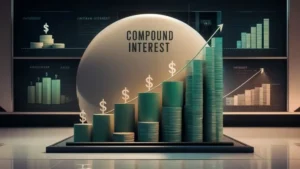
At its simplest, compound interest means earning interest on your interest. This seemingly small distinction creates exponential growth over time, turning modest regular investments into substantial wealth. Understanding this concept is more valuable than any single investment tip or stock pick. Compounding Interest
The Basic Math
Compound interest differs from simple interest in one crucial way:
Simple Interest:
You earn interest only on your original investment.
Example: $1,000 at 5% = $50 yearly interest
Compound Interest:
You earn interest on your original investment plus accumulated interest.
Year 1: $1,000 at 5% = $1,050
Year 2: $1,050 at 5% = $1,102.50
Year 3: $1,102.50 at 5% = $1,157.63
The difference seems small initially but becomes dramatic over time.
The Rule of 72
This simple formula helps estimate compounding effects:
72 ÷ Interest Rate = Years to Double
Examples:
-
6% return: 72 ÷ 6 = 12 years to double
-
8% return: 72 ÷ 8 = 9 years to double
-
10% return: 72 ÷ 10 = 7.2 years to double
This rule demonstrates why higher returns, even slightly higher, make a big difference over decades.
The Time Factor
Compound interest’s power comes from time, not timing. Consider two investors:
Early Starter:
Invests $5,000 annually from age 25-35 (10 years)
$50,000 total investment
At 65: ~$787,000 (assuming 7% annual return)
Late Starter:
Invests $5,000 annually from age 35-65 (30 years)
$150,000 total investment
At 65: ~$540,000 (same 7% return)
The early starter invested one-third as much but ended with 45% more money because their money had more time to compound.
Practical Applications
Retirement Accounts:
401(k)s and IRAs are designed to leverage compound growth over decades.
Education Savings:
529 plans use compounding to make college more affordable.
Debt Repayment:
Compound interest works against you with high-interest debt like credit cards.
The Three Variables
Only three factors determine compounding results:
1. Principal:
The amount you initially invest.
2. Interest Rate:
The return your investment earns.
3. Time:
How long your money compounds.
Time is the most powerful variable because it’s the only one that creates exponential growth.
Common Mistakes
People undermine compound interest by:
Starting Too Late:
Every year delayed requires significantly more money to reach the same result.
Taking Early Withdrawals:
Removing money interrupts compounding and often triggers penalties.
Chasing Returns:
Excessive trading often leads to lower returns than steady compounding.
Paying High Fees:
Even 1% annual fees can reduce ending balances by 25-30% over decades.
Maximizing Compound Growth
Start Immediately:
The best time to start was yesterday; the second best is today.
Be Consistent:
Regular contributions harness compounding more effectively than sporadic large investments.
Reinvest Everything:
Don’t spend dividends or interest—let them compound. Compounding Interest
Minimize Taxes:
Use tax-advantaged accounts to keep more money growing. Compounding Interest
Avoid Debt:
High-interest debt compounds against you, often faster than investments compound for you.
Historical Context
Compound interest isn’t new—it’s been building wealth for centuries:
Ancient Origins:
The concept dates back to ancient Babylon, where clay tablets show compound interest calculations.
The Medici Bank:
Renaissance banking families built fortunes using compound interest principles.
Modern Investing:
The rise of retirement accounts made compound growth accessible to millions. Compounding Interest
Psychological Barriers
Despite the math being clear, people struggle with:
Present Bias:
We overweight immediate gratification over future benefits.
Underestimating Exponential Growth:
Our brains aren’t wired to intuitively understand exponential curves.
Overconfidence:
Believing we can time the market rather than trusting steady compounding.
The Wealth-Building Formula
The most reliable path to wealth combines:
Consistent Saving:
Pay yourself first through automatic contributions.
Reasonable Returns:
Aim for market-average returns through low-cost index funds.
Time:
Start early and be patient.
Compounding:
Let your earnings generate their own earnings. Compounding Interest
Real-World Examples
The Janitor Millionaire:
Ronald Read, a gas station attendant and janitor, accumulated $8 million through decades of steady investing in blue-chip stocks.
The Teacher’s Legacy:
Grace Groner lived modestly but turned $180 in Abbott stock into $7 million over 75 years.
Ordinary Millions:
Many teachers, firefighters, and government employees retire with million-dollar 403(b) or 457 plans through steady contributions over careers.
Getting Started at Any Age
In Your 20s:
Time is your biggest asset. Start with whatever you can afford.
In Your 30s-40s:
Accelerate contributions as earnings increase. Avoid lifestyle inflation.
In Your 50s:
Maximize catch-up contributions. Focus on preserving what you’ve built.
In Retirement:
Continue some growth investing to combat inflation during potentially decades of retirement. Compounding Interest
The Bigger Picture
Compound interest teaches valuable life lessons beyond finance: Compounding Interest
The Power of Small Actions:
Tiny improvements, consistently applied, create dramatic results over time.
Patience and Delayed Gratification:
The most valuable things in life often take time to develop.
Systems Over Goals:
Focus on processes you can control rather than outcomes you can’t predict.
A Tool for Everyone
Compound interest is remarkably democratic:
It Doesn’t Require:
-
Special talent
-
Inside information
-
Large sums of money
-
Market timing
It Does Require:
-
Discipline
-
Patience
-
Consistency
-
Time
Your Compound Interest Action Plan
1. Start Today:
Open a retirement account with whatever you can afford.
2. Automate Contributions:
Set up automatic transfers from each paycheck.
3. Increase Gradually:
Boost contributions with every raise. Compounding Interest
4. Ignore Market Noise:
Focus on consistent investing, not timing.
5. Review Annually:
Ensure you’re on track but avoid constant tinkering.
The Most Important Number
In wealth building, your savings rate matters more than your investment returns in the early years. A high savings rate combined with compound growth is unstoppable. Compounding Interest
Remember: You don’t need to be an investment genius to benefit from compound interest. You just need to be consistent and patient while the math works in your favor. Compounding Interest
The eighth wonder of the world is available to anyone who understands it and has the discipline to use it. Your future self will thank you for starting Compounding Interest today.


 Editor