
Complete Guide to Vitamins
Introduction
Vitamins are essential nutrients that the human body needs to function properly. Among the many vitamins our body requires, Vitamins A, B, C, D, and E are some of the most important. These vitamins support vital processes such as vision, immunity, skin health, metabolism, energy production, and cell protection. Since the body cannot produce most vitamins on its own, it becomes necessary to obtain them through food or supplements. This article provides a comprehensive explanation of each vitamin, its benefits, natural sources, deficiency symptoms, and recommended daily intake.
⸻
Vitamin A
What is Vitamin A?
Vitamin A is a fat-soluble vitamin that plays a major role in maintaining good vision, immune health, and proper growth. It exists in two forms:
•Preformed Vitamin A (Retinol) – found in animal foods
•Provitamin A (Beta-carotene) – found in plant foods
1.Improves Vision:
Vitamin A supports the retina and helps maintain good night vision.
2.Boosts Immunity:
It strengthens the body’s natural defense system against infections.
3.Supports Skin Health:
It helps prevent acne, dryness, and premature aging.
4.Essential for Growth:
Vitamin A plays an important role in cell growth and development.
Food Sources
•Carrots
•Sweet potatoes
•Spinach
•Eggs
•Milk
•Fish liver oil
•Mangoes
Deficiency Symptoms
•Night blindness
•Dry eyes
•Skin problems
•Weak immunity
•Slow growth in children
Recommended Daily Intake
•Adults: 700–900 mcg/day
⸻
Vitamin B Complex
What is Vitamin B?
Vitamin B is not a single vitamin but a group of eight essential vitamins known as the Vitamin B Complex. They help convert food into energy, support brain function, build red blood cells, and maintain overall metabolism. Complete Guide to Vitamins
Types of Vitamin B:
•B1 (Thiamine)
•B2 (Riboflavin)
•B3 (Niacin)
•B5 (Pantothenic Acid)
•B6 (Pyridoxine)
•B7 (Biotin)
•B9 (Folate)
•B12 (Cobalamin)
Health Benefits
1.Energy Production:
B vitamins help break down carbohydrates, fats, and proteins into usable energy.
2.Healthy Brain and Nerves:
B12 and B6 are essential for memory and nervous system function.
3.Red Blood Cell Formation:
B9 and B12 help prevent anemia.
4.Supports Metabolism:
B1, B2, and B3 regulate metabolic processes.
5.Good Skin, Hair, and Nails:
Biotin (B7) is especially important for hair growth. Complete Guide to Vitamins
Food Sources
•Whole grains
•Eggs
•Meat and fish
•Dairy products
•Leafy vegetables
•Legumes
•Nuts and seeds
Deficiency Symptoms
•Fatigue and weakness
•Memory issues
•Anemia
•Tingling sensations in hands and feet
•Skin rashes
•Poor appetite
Recommended Daily Intake
•Varies for each type; generally 1–2.4 mcg/day for B12 and 400 mcg/day for B9.
⸻
Vitamin C
What is Vitamin C?
Vitamin C, also known as Ascorbic Acid, is a water-soluble vitamin that acts as a powerful antioxidant. It helps strengthen the immune system, improves skin health, and boosts iron absorption.
Health Benefits
1.Strengthens Immunity:
Vitamin C increases the production of white blood cells that fight infections.
2.Powerful Antioxidant:
It protects cells from damage caused by free radicals.
3.Enhances Skin Health:
Vitamin C helps in collagen production, which keeps the skin firm and young.
4.Improves Iron Absorption:
It helps the body absorb iron from plant-based foods, preventing anemia. Complete Guide to Vitamins
5.Wound Healing:
It speeds up the repair of tissues.
Food Sources
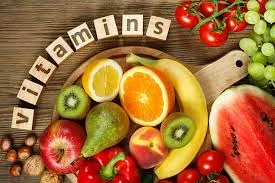
•Oranges
•Lemons
•Strawberries
•Guava
•Tomatoes
•Bell peppers
•Broccoli
Deficiency Symptoms
•Weak immunity
•Frequent infections
•Slow wound healing
•Bleeding gums
•Fatigue
•Dry skin
Recommended Daily Intake
•Adults: 65–90 mg/day
⸻
Vitamin D
What is Vitamin D?
Vitamin D is a fat-soluble vitamin essential for bone health. The unique thing about Vitamin D is that the body can produce it when exposed to sunlight. It helps regulate calcium and phosphorus in the blood.
Health Benefits
1.Supports Strong Bones and Teeth:
Vitamin D helps in calcium absorption, preventing osteoporosis.
2.Boosts Immunity:
It helps reduce the risk of infections and supports immune functions.
3.Improves Mood and Mental Health:
Low Vitamin D levels are linked with depression and mood disorders.
4.Reduces Inflammation:
It supports overall cellular health. Complete Guide to Vitamins
Food Sources
•Sunlight (primary source)
•Fatty fish like salmon
•Egg yolks
•Fortified milk
•Cheese
•Mushrooms exposed to sunlight
Deficiency Symptoms
•Weak bones
•Bone pain
•Fatigue
•Depression
•Muscle weakness
Recommended Daily Intake
•Adults: 600–800 IU/day
Vitamin E
What is Vitamin E?
Vitamin E is a fat-soluble antioxidant that protects cells from damage and supports healthy skin, eyes, and immunity. It is known for its role in preventing oxidative stress. Complete Guide to Vitamins
1.Antioxidant Protection:
Vitamin E protects cells from free radical damage.
2.Healthy Skin and Hair:
It prevents wrinkles, dryness, and improves overall skin texture.
3.Supports Immune System:
It helps the body fight infections effectively.
4.Improves Eye Health:
Vitamin E reduces the risk of age-related eye disorders.
5.Reduces Inflammation:
Helps maintain a healthy inflammatory response. Complete Guide to Vitamins
Food Sources
•Almonds
•Sunflower seeds
•Spinach
•Olive oil
•Avocado
•Peanuts
Deficiency Symptoms
•Weak muscles
•Vision problems
•Reduced immunity
•Nerve and muscle damage
Recommended Daily Intake
•Adults: 15 mg/day


 Surendra