

The Posture Pandemic
The Posture Pandemic Walk through any public space—a coffee shop, airport, or park—and you’ll see the same disturbing sight: heads bent downward, eyes glued to screens, shoulders rounded forward. This modern posture epidemic has a name: “tech neck,” and it’s quietly reshaping our spines and compromising our health in ways we’re only beginning to The Posture Pandemic understand. The average person spends 3-4 hours daily looking down at their phone. When you consider that tilting your head forward just 15 degrees increases the weight on your cervical spine from 10-12 pounds to 27 pounds, the cumulative damage becomes alarming. At 60 degrees—the common texting angle—your neck supports the equivalent of 60 pounds, or about the weight of an 8-year-old child. This article will help you understand the anatomy of poor posture, recognize its consequences, and provide practical solutions to reverse the damage and reclaim your spinal health.The Posture Pandemic The…

Functional Strength
You’re carrying heavy groceries up a flight of stairs, playing with your children in the park, or moving furniture around your home. These aren’t just daily tasks—they’re real-world tests of your functional strength. Unlike traditional bodybuilding exercises that isolate muscles, functional strength training prepares you for the actual movements and challenges of daily life. Functional fitness focuses on training your body to handle real-life situations safely and efficiently. It emphasizes compound movements that engage multiple muscle groups simultaneously, improving your coordination, balance, and practical strength. Let’s explore the fundamental movement patterns that form the foundation of functional strength and how you can incorporate them into your routine. The 7 Fundamental Movement Patterns Human movement, no matter how complex, can be broken down into seven basic patterns. By mastering these movements, you’ll build a strong, capable body ready for whatever life throws at you. 1. Squat Pattern (Sitting/Standing) The squat mimics…

The Fitness Tracker Lie
You’ve hit your 10,000 steps. Your fitness tracker buzzes with celebration, displaying those satisfying achievement badges. You feel accomplished, virtuous, like you’ve truly done something meaningful for your health. But what if this daily ritual—this obsession with hitting a magical number—was actually giving you a false sense of accomplishment while distracting you from what really matters for your fitness? Welcome to the great fitness tracker deception, where we’ve been sold a simple solution to a complex problem. The truth is, while tracking steps got millions of people moving, it’s potentially the least important metric for actual fitness progress. Let’s explore why your step count obsession might be holding you back from achieving your true health potential. The Rise of Fitness Tracking: How We Became Step-Obsessed The 10,000-step goal wasn’t born from scientific research—it originated from a 1960s Japanese marketing campaign for a pedometer called “manpo-kei,” which literally translates to “10,000-step…
Healthy Foods
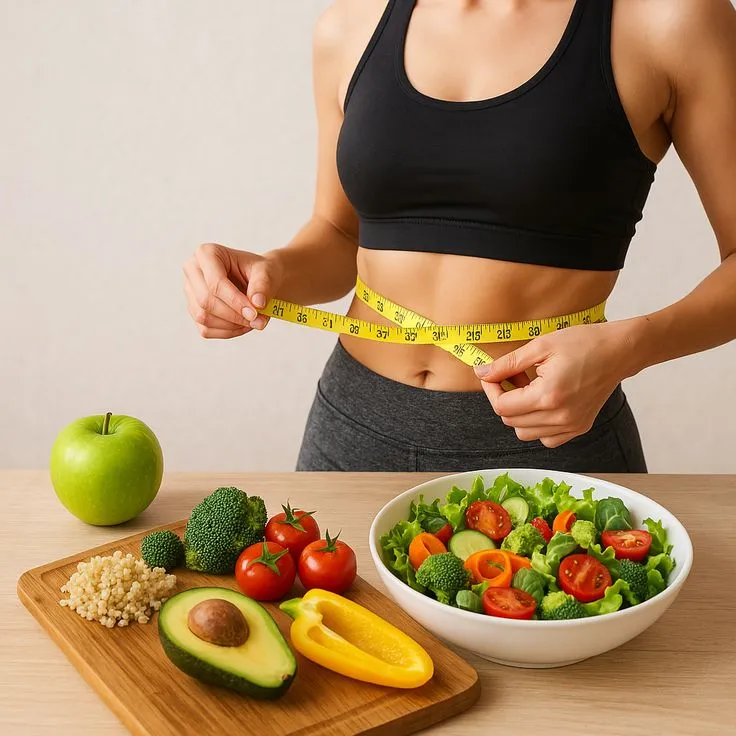
Healthy Foods You’re doing everything right—choosing foods with “healthy” labels, opting for low-fat options, starting your day with fruit juice, and grabbing protein bars for quick snacks. Yet, despite your best efforts, the scale won’t budge, your energy levels are crashing, and you can’t understand why your healthy habits aren’t paying off. Healthy Foods Welcome to the world of the “health halo” effect—where clever marketing and misleading labels convince us that certain foods are good for us when they’re actually undermining our health goals. Many foods wearing a “health mask” are secretly loaded with sugar, unhealthy fats, and empty calories that sabotage your progress while making you feel virtuous for choosing them. Healthy Foods Let’s pull back the curtain on five of the biggest offenders hiding in plain sight in your kitchen.Healthy Foods Food 1: Commercial Granola and Cereals – The Sugar Bombs in Health Clothing Walk down any supermarket…

Tired Why You’re Still
Tired You’re sleeping 8 hours, eating relatively well, and not over-exercising—yet you wake up feeling like you never slept at all. That afternoon slump hits so hard you can barely keep your eyes open, and by 8 PM, you’re completely drained. You’ve tried everything: more sleep, less caffeine, better sleep hygiene, but nothing seems to touch this profound exhaustion. What if I told you the answer might not be in your bedroom, but in your gut? Emerging research is revealing a startling connection between gut health and chronic fatigue. Your digestive system does much more than process food—it’s directly linked to your energy production, immune function, and even your brain chemistry. Let’s explore why your gut might be the missing piece in your fatigue puzzle. The Gut-Brain Axis: Your Second Brain Your gut and brain are in constant communication through what scientists call the “gut-brain axis.” This bidirectional superhighway involves…

Fitness Plan The Weekend Warrior
Fitness Plan In an ideal world, we’d all have time for daily workouts, perfect nutrition, and ample recovery. But reality looks different for most working professionals, parents, and students. If your schedule only allows for serious exercise on weekends, here’s some great news: science says it works. Recent studies in JAMA and other major journals have confirmed that “Weekend Warrior” patterns—concentrating physical activity into one or two weekly sessions—can provide similar mortality benefits to more frequent exercise. The key is making those sessions count.A well-structured fitness plan is essential for achieving long-term health goals, whether you want to lose weight, gain muscle, or simply stay active. It provides direction, consistency, and motivation, helping you track progress over time. A balanced plan combines physical exercise, proper nutrition, rest, and lifestyle discipline, creating the foundation for a healthier and more energetic life. Fitness Plan The Science of Compressed Training Fitness Plan A…
The Mental Health Miracle
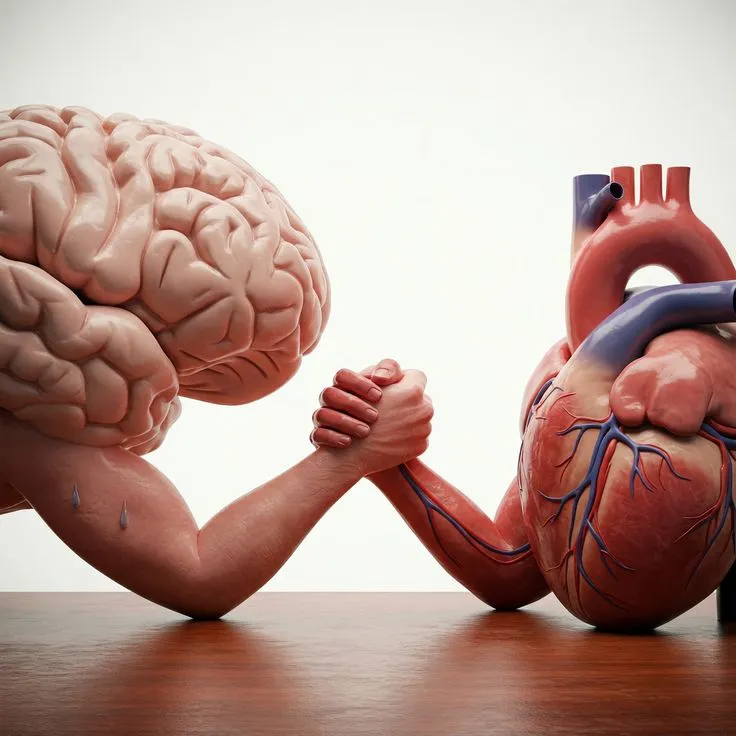
When we think about weight training, we typically picture muscular physiques and increased strength. But beneath the surface of those physical transformations lies a more profound change—one that’s revolutionizing our approach to mental health care The science is clear: lifting weights does more than build muscle; it builds a healthier, more resilient mind. For anyone struggling with depression, anxiety, or daily stress, the weight room might offer solutions that medication and therapy alone cannot provide. Emerging research reveals that strength training might be one of the most powerful tools against mental health challenges. This article explores the neuroscience behind how lifting weights changes brain chemistry, reduces inflammation, and builds psychological resilience. The Brain Chemistry of Weight Training Mental Health When you engage in resistance training, your brain undergoes significant chemical changes: Endorphin Release: Often called “runner’s high,” this effect occurs with weight training too. These natural opioids reduce pain perception and create…

The “Zone 2” Cardio Revolution hidden facts
Cardio Revolution We’ve been conditioned to believe that harder, faster, and more intense exercise is always better. The fitness industry has celebrated HIIT workouts that leave you gasping for air, drenched in sweat, and utterly exhausted. But what if I told you there’s a more sustainable, scientifically-backed approach that delivers better long-term results without destroying your body in the process?Discover why elite athletes and fitness experts are abandoning high-intensity workouts for Zone 2 cardio. Cardio Revolution This comprehensive guide explains how training at a conversational pace can boost mitochondrial function, enhance fat burning, and improve overall metabolic health more effectively than grueling HIIT sessions.By listening to this message and responding with targeted strength and mobility work, you can break the endless cycle of stretch-and-tighten. You will build a body that is not only more flexible but also more powerful, stable, and pain-free. So, put down the static stretch, and pick…

Why Stretching Isn’t Fixing Your Tight Hamstrings
For countless fitness enthusiasts, office workers, and athletes, tight hamstrings are a frustrating and persistent reality. The standard advice is universal: “Just stretch more!” So, you diligently touch your toes, pull your leg to your chest, and hold for 30 seconds, hoping for a breakthrough. Yet, day after day, that familiar stiffness and pulling sensation behind your thigh remains, stubbornly unchanged.Stretching What if the problem isn’t a lack of stretching, but the stretching itself? The truth is, muscle tightness is not always a simple case of a short muscle needing to be lengthened. Often, it’s a complex signal from your nervous system and a symptom of weakness elsewhere. This article will unravel the mystery of stubbornly tight hamstrings and provide you with a revolutionary, science-backed approach to finally find relief.Stretching Part 1: The Myth of the “Short” Muscle When you feel tightness, your first instinct is to pull on that…

Plant-based diet
The terms “plant-based diet” and “vegan recipes” are more than just trending keywords; they represent a global shift towards mindful, sustainable, and health-conscious eating. Whether you’re curious about “Vegan recipes for beginners,” looking for a “Plant-based diet for weight loss,” or simply wanting to incorporate more “Easy vegan meals” into your week, this guide is your comprehensive starting point. We’ll demystify the lifestyle, outline its powerful benefits, and provide delicious, simple recipes to kickstart your journey. What is a Plant-Based Diet? At its core, a plant-based diet focuses on foods primarily from plants. This includes not only fruits and vegetables but also nuts, seeds, oils, whole grains, legumes, and beans. It doesn’t necessarily mean you are vegan and never eat meat or dairy; rather, you are proportionately choosing more of your foods from plant sources. Veganism is the strictest form of a plant-based diet, excluding all animal products, including meat, dairy,…