
Every day, billions of people open their social media apps, unaware that sophisticated algorithms are working tirelessly to capture their attention, shape their preferences, and keep them scrolling. These invisible digital architects don’t just show us content—they’re actively rewiring our brains and reshaping our society in ways we’re only beginning to understand.
The average person now spends nearly 2.5 hours daily on social media, with younger generations spending significantly more. During this time, algorithms learn our deepest preferences, fears, and desires, then serve content that keeps us engaged—often at the cost of our mental health, critical thinking, and social cohesion.
How Social Media Algorithms Work
While each platform has its secret sauce, most social media algorithms share common principles:
Engagement Optimization:
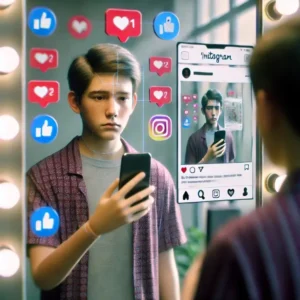
Algorithms prioritize content that generates interactions—likes, comments, shares, and time spent. Controversial, emotional, or outrage-inducing content often gets boosted because it drives engagement.
Personalization Engines:
Using vast amounts of data, algorithms create detailed psychological profiles to predict what will capture your attention. They know what you’ll click on before you do.
Variable Rewards:
Like slot machines, social media feeds provide unpredictable rewards—sometimes a funny video, sometimes important news, sometimes validation from peers. This unpredictability is highly addictive.
Network Effects:
Content from close connections gets priority, but the algorithms also introduce new content and connections to maximize engagement potential.
The Neurological Impact
Social media use triggers real changes in brain chemistry and structure:
Dopamine Loops:
Each like, comment, or notification provides a small dopamine hit, training your brain to seek more social validation. This can deplete dopamine receptors over time, requiring more stimulation for the same satisfaction.
Attention Fragmentation:
The constant stream of new content trains our brains to seek novelty, reducing our ability to sustain focus. Studies show heavy social media users perform worse on attention tests.
Fear of Missing Out (FOMO):
The curated highlight reels of others’ lives can trigger anxiety and social comparison, activating the brain’s threat detection systems.
Psychological Consequences
The algorithmic design of social media platforms creates several psychological effects:
Confirmation Bias Amplification:
Algorithms show us more of what we already believe, creating echo chambers that reinforce existing views and make us more extreme in our positions.
Comparison Culture:
Seeing curated versions of others’ lives leads to unfavorable social comparison, contributing to anxiety, depression, and body image issues—particularly among teenagers.
Addiction Patterns:
The same neural pathways activated by substance abuse light up during social media use. Many users show classic addiction symptoms: tolerance, withdrawal, and loss of control.
Societal Impacts
The algorithmic rewiring of individual brains has collective consequences:
Political Polarization:
By pushing users toward more extreme content, algorithms have contributed to political fragmentation and decreased ability to find common ground.
Erosion of Truth:
Algorithms don’t distinguish between factual information and misinformation—they only care about engagement. False information often spreads faster than truth because it’s more novel and emotional.
Attention Economy:
Our collective attention has become a scarce resource that corporations fight to capture, often at the expense of deeper thinking, creativity, and real-world connection.
The Business Model
To understand why platforms work this way, follow the money:
Advertising Revenue:
Social media platforms are advertising businesses. Your attention is the product being sold to advertisers. More engagement means higher advertising rates.
Data Collection:
Every click, hover, and scroll is data that makes advertising more targeted and valuable.
Network Lock-in:
The more connections and content you have on a platform, the harder it is to leave—a phenomenon called “network effects.”
Protecting Yourself and Your Brain
While completely opting out might not be practical for everyone, these strategies can help mitigate the effects:
Digital Minimalism:
Approach technology intentionally rather than by default. Ask what value each platform provides and whether it’s worth the cost in attention and data.
Curate Your Feed:
Unfollow accounts that trigger negative emotions or waste your time. Mute toxic topics. Use platform tools to shape what you see.
Set Boundaries:
-
No phones in the bedroom
-
Designated phone-free times
-
App timers and notifications turned off
-
Regular digital detoxes
Mindful Consumption:
Before opening an app, ask: “What is my intention here?” After using it, reflect: “How do I feel? Was that time well spent?”
Parental Considerations
Children and teenagers are particularly vulnerable to algorithmic effects:
Developing Brains:
Adolescent brains are still developing impulse control and critical thinking skills, making them more susceptible to addictive design and social pressure.
Social Development:
Social media can interfere with developing real-world social skills and identity formation.
Practical Steps:
-
Delay social media use as long as possible
-
Use parental controls and monitoring
-
Have open conversations about algorithms and digital manipulation
-
Model healthy technology use
The Future of Algorithmic Media
We’re at a crossroads with several possible futures:
Regulatory Solutions:
Some countries are implementing laws around data privacy, algorithmic transparency, and digital wellness. The European Union’s Digital Services Act represents one approach.
Ethical Design:
A growing movement advocates for “humane technology” that serves human wellbeing rather than exploiting psychological vulnerabilities.
Digital Literacy:
Education systems are beginning to teach critical thinking about algorithms and media manipulation.
Individual Responsibility:
Ultimately, each of us must take responsibility for our digital diets and their effects on our minds and lives.
Taking Back Control
The most powerful step is recognizing that your attention is valuable and worth protecting. Every time you mindlessly scroll, you’re training your brain to be distracted and handing over your most precious resource—your attention—to corporations that don’t necessarily have your best interests at heart.
The algorithms are sophisticated, but they’re not all-powerful. By understanding how they work and making intentional choices, we can use social media as tools rather than being used by them as products.
The goal isn’t necessarily to delete all social media, but to approach these platforms with eyes wide open, recognizing their effects on our brains and taking proactive steps to protect our attention, our mental health, and our society.
Our minds are being shaped by forces most of us don’t understand. It’s time to change that.


 Editor