
The worlds of heavy lifting and yoga might seem miles apart—one focused on moving maximum weight, the other on mindful movement and flexibility. But the most successful lifters are discovering that these two disciplines are not just compatible; they’re powerfully complementary. Incorporating specific yoga practices can address the common mobility restrictions, muscle imbalances, and recovery challenges that plague many strength athletes.
Yoga for lifters isn’t about becoming the most flexible person in the room or mastering advanced poses. It’s about using targeted mobility work to improve your positions under the bar, enhance recovery between sessions, and build the foundational stability that supports heavy lifting.
This guide focuses on the five most beneficial yoga poses for lifters, explaining how each one addresses common lifting limitations and contributes to better performance in the squat, bench press, and deadlift.
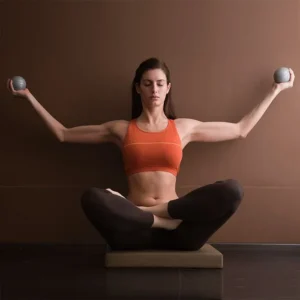
Benefits for Strength Athletes
Yoga addresses several key needs for lifters:
Improved Mobility:
-
Better squat depth through hip and ankle mobility
-
Enhanced overhead positions through shoulder mobility
-
Improved deadlift setup through hamstring and hip flexibility
Enhanced Recovery:
-
Increased blood flow to overworked muscles
-
Reduced muscle soreness and stiffness
-
Improved parasympathetic nervous system activation
Injury Prevention:
-
Addresses muscle imbalances from repetitive lifting patterns
-
Improves joint stability through enhanced proprioception
-
Develops body awareness to recognize potential issues early
Mental Benefits:
-
Improved focus and mind-muscle connection
-
Better stress management and recovery
-
Enhanced body awareness during lifts
Pose 1: Downward Facing Dog
Why It Helps Lifters:
This fundamental pose addresses multiple areas of tightness common in lifters:
Specific Benefits:
-
Shoulders: Improves overhead mobility for presses
-
Hamstrings: Increases flexibility for deadlift setup
-
Calves: Enhances ankle dorsiflexion for squat depth
-
Spine: Creates space between vertebrae after compression
Proper Form:
-
Start on hands and knees, hands shoulder-width apart
-
Lift hips toward ceiling, straightening legs as much as possible
-
Press chest toward thighs while keeping spine long
-
Pedal feet to gently stretch calves and hamstrings
Common Mistakes:
-
Rounding the upper back excessively
-
Locking knees completely
-
Rushing the pose without mindful breathing
Integration:
Hold for 5-10 breaths, repeating 2-3 times. Ideal for warm-ups or between heavy sets.
Pose 2: Pigeon Pose
Why It Helps Lifters:
This intense hip opener addresses the tight hips that plague many lifters:
Specific Benefits:
-
Hip Flexors: Releases tension from prolonged sitting
-
Glute Medius: Improves hip stability for squats
-
External Rotators: Enhances ability to reach depth
-
SI Joint: Can relieve lower back tension
Proper Form:
-
Start in tabletop position, bring right knee toward right wrist
-
Slide left leg back, keeping hips square
-
Walk hands forward and lower onto forearms if possible
-
Keep front foot flexed to protect knee
Common Mistakes:
-
Collapsing into the pose rather than staying active
-
Allowing hips to tilt unevenly
-
Forcing depth beyond current mobility
Integration:
Hold for 1-2 minutes per side after training or on recovery days.
Pose 3: Warrior Series
Why It Helps Lifters:
These standing poses build lower body stability and mobility simultaneously:
Specific Benefits:
-
Hips: Improve dynamic hip mobility and stability
-
Ankles: Enhance single-leg stability and balance
-
Core: Develop rotational and anti-rotational strength
-
Shoulders: Build stability in overhead positions
Proper Form for Warrior II:
-
Feet wide, front foot pointing forward, back foot at 45 degrees
-
Front knee bent to 90 degrees, tracking over ankle
-
Arms extended parallel to floor, gaze over front hand
-
Hips open to the side, core engaged
Common Mistakes:
-
Leaning forward instead of maintaining upright torso
-
Allowing front knee to collapse inward
-
Rushing through transitions between variations
Integration:
Flow through warrior variations during warm-ups or as active recovery.
Pose 4: Twists
Why It Helps Lifters:
Rotational mobility is crucial for maintaining spinal health under load:Yoga
Specific Benefits:
-
Thoracic Spine: Improves rotation for bench and overhead positions
-
Obliques: Develops core stability for bracing
-
Intercostals: Enhances breathing capacity for bracing
-
Hips: Complements rotational demands of sports
Proper Form for Seated Twist:
-
Sit with legs extended, bend right knee and cross over left leg
-
Hug right knee with left arm, right hand behind you for support
-
Inhale to lengthen spine, exhale to twist deeper
-
Keep both sitting bones grounded
Common Mistakes:
-
Using arms to force rotation rather than breathing into it
-
Rounding forward instead of maintaining tall spine
-
Holding breath during the pose
Integration:
Include twists after heavy pressing sessions or when feeling stiff through mid-back.Yoga
Pose 5: Hip Openers
Why It Helps Lifters:
Comprehensive hip mobility is the foundation of all lower body lifting:
Specific Benefits:
-
Adductors: Improves comfort in wide-stance positions
-
Abductors: Enhances ability to create torque in hips
-
Flexors: Reduces anterior pelvic tilt and lower back strain
-
Rotators: Allows proper knee tracking in squats
Proper Form for Frog Pose:
-
Start on hands and knees, gradually widen knees
-
Keep ankles in line with knees or wider
-
Lower to forearms or all the way to the floor
-
Breathe deeply into hip tension
Common Mistakes:
-
Forcing depth and causing groin strain
-
Not using breath to manage intensity
-
Rushing in and out of the pose
Integration:
Use hip openers after lower body sessions or when feeling particularly tight.Yoga
Pre and Post-Lift Routines
Warm-Up Sequence (10 minutes):
-
Cat-Cow (2 minutes)
-
Downward Dog (2 minutes)
-
Sun Salutations (3 minutes)
-
Warrior Flow (3 minutes)
Cool-Down Sequence (15 minutes):
-
Legs Up the Wall (5 minutes)
-
Pigeon Pose (2 minutes per side)
-
Seated Twist (1 minute per side)
-
Supine Butterfly (3 minutes)
Success Stories
Mark, Competitive Powerlifter:
“I added 20kg to my squat in 3 months after consistently practicing pigeon pose and hip openers. The improved depth and comfort in the bottom position was transformative.”
Jessica, CrossFit Athlete:
“Yoga completely eliminated my chronic shoulder pain from years of overhead lifting. The mobility work allowed me to find stable positions I didn’t know were possible.”Yoga
Practical Implementation
Frequency Recommendations:
-
Minimum: 2 sessions weekly (20-30 minutes)
-
Ideal: 4-5 brief sessions (10-15 minutes)
-
Daily: 5 minutes of targeted mobility work
Timing Considerations:
-
Pre-workout: Dynamic, active poses
-
Post-workout: Longer holds, deeper stretches
-
Rest days: Comprehensive mobility sessions
Progressive Overload:
Like strength training, yoga benefits from progressive approach:Yoga
-
Increase hold times gradually
-
Explore more challenging variations
-
Improve quality of movement over time
Equipment Recommendations
Essential:
-
Quality yoga mat with good grip
-
Comfortable, non-restrictive clothing
-
Optional: Yoga blocks for modifications
Advanced:
-
Bolster for supported poses
-
Strap for assisted stretching
-
Blanket for padding and support
The Mind-Body Connection
Beyond physical benefits, yoga develops crucial mental skills for lifting:Yoga
Breath Awareness:
-
Learn to maintain calm under physical stress
-
Develop better bracing techniques through breath control
-
Improve recovery between heavy sets
Body Awareness:
-
Recognize subtle alignment issues before they become problems
-
Develop better proprioception for technical lifts
-
Learn to differentiate between good pain and bad pain
Focus Development:
-
Practice maintaining concentration during discomfort
-
Transfer mindfulness to challenging lifts
-
Improve overall training quality through presence
The Bottom Line
Yoga isn’t about replacing your strength training—it’s about enhancing it. By addressing the mobility and recovery needs that traditional lifting often neglects, you can lift heavier, recover better, and train longer without injury.
The most successful strength athletes understand that performance isn’t just about how much you can lift, but how well you can move. Incorporating these five key poses into your routine can be the difference between hitting plateaus and breaking through to new personal bests.
Remember: The goal isn’t to become a yogi; it’s to become a better lifter. These tools exist to serve your strength goals, not replace them. Start with just one or two poses, notice how they affect your lifting, and build from there. Your future self—lifting heavier and feeling better—will thank you.Yoga


 Editor