
When we think about weight training, we typically picture muscular physiques and increased strength. But beneath the surface of those physical transformations lies a more profound change—one that’s revolutionizing our approach to mental health care
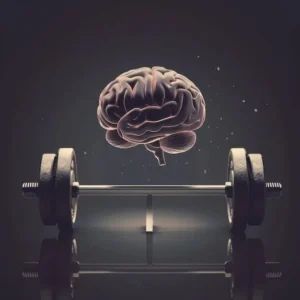
The science is clear: lifting weights does more than build muscle; it builds a healthier, more resilient mind. For anyone struggling with depression, anxiety, or daily stress, the weight room might offer solutions that medication and therapy alone cannot provide. Emerging research reveals that strength training might be one of the most powerful tools against mental health challenges. This article explores the neuroscience behind how lifting weights changes brain chemistry, reduces inflammation, and builds psychological resilience.
The Brain Chemistry of Weight Training
Mental Health
When you engage in resistance training, your brain undergoes significant chemical changes:
-
Endorphin Release: Often called “runner’s high,” this effect occurs with weight training too. These natural opioids reduce pain perception and create feelings of euphoria.
-
Endocannabinoid Boost: Your body produces its own cannabis-like compounds that reduce anxiety and create feelings of calm and well-being.
-
Neurotransmitter Regulation: Strength training helps balance key neurotransmitters like serotonin, dopamine, and norepinephrine—the same chemicals targeted by many antidepressant medications.
Beyond Chemistry: The Psychological Benefits
The mental health benefits extend far beyond brain chemistry:
Proven Evidence and Mechanisms:
Mental Health
Multiple studies demonstrate strength training’s potent antidepressant effects. A 2018 Harvard review of 33 clinical trials found resistance exercise significantly reduced depressive symptoms across all populations. The mechanisms are multifaceted:
-
BDNF Boost: Strength training increases Brain-Derived Neurotrophic Factor, essentially fertilizer for your brain cells. Low BDNF levels are linked to depression and cognitive decline.
-
Inflammation Reduction: Chronic inflammation is now recognized as a key driver of depression. Resistance training lowers inflammatory markers like CRP and IL-6.
-
HPA Axis Regulation: Weight training helps normalize the hypothalamic-pituitary-adrenal axis, improving your body’s stress response and cortisol patterns.
Practical Protocol for Mental Health
You don’t need to become a powerlifter to reap these benefits. Research suggests even minimal doses yield significant results:
-
Frequency: 2-3 sessions weekly
-
Intensity: Moderate (60-80% of 1 rep max)
-
Volume: 2-3 sets of 8-12 reps per exercise
-
Exercises: Compound movements like squats, presses, and rows work best
Sample Mental Health Focused Routine:
Mental Health
-
Goblet Squats: 3 sets of 10 reps
-
Dumbbell Bench Press: 3 sets of 10 reps
-
Bent-over Rows: 3 sets of 10 reps
-
Walking Lunges: 2 sets of 12 reps per leg
-
Plank: 3 sets of 30-60 seconds
The Mind-Body Connection in Action
Each workout builds more than muscle—it builds evidence of your own capability. When you lift a weight you couldn’t lift last month, you’re creating tangible proof of your growth and resilience. This psychological reinforcement is incredibly powerful for rebuilding self-esteem damaged by mental health challenges.Zone 2 refers to a specific heart rate zone where you’re working hard enough to create physiological adaptations, but easy enough to maintain a conversation. It’s typically defined as 60-70% of your maximum heart rate. If you can’t speak in full sentences, you’re working too hard. If you can sing, you’re not working hard enough.
Safety Considerations
Mental Health
While generally safe, consider these guidelines:
-
Consult your doctor if you have pre-existing conditions
-
Start light and focus on proper form
-
Don’t use exercise as your only treatment for serious mental health conditions
-
Listen to your body and take rest days when needed
The Big Picture
Weight training offers something unique in mental health treatment: agency. In a world where mental health struggles can make you feel powerless, picking up a barbell represents taking concrete action toward your own healing. The weights don’t care about your diagnosis—they only respond to consistent effort.
Whether you’re managing clinical depression or everyday stress, the iron path offers a proven, accessible route to better mental health. The gains you make in the gym will inevitably spill over into every other area of your life.


 Editor