
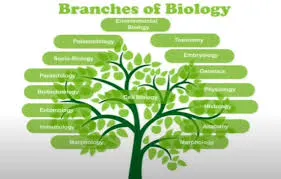
Branches of Biology
Biology, derived from the Greek words bios (life) and logos (study), is the vast and dynamic science that explores the living world. From the microscopic machinery inside a cell to the complex interplay of ecosystems, biology seeks to understand the principles governing all life forms. Given the staggering diversity of life—from bacteria to blue whales, from fungi to forests—the field has naturally specialized into numerous branches. Each branch focuses on a specific level of organization, group of organisms, or set of processes, creating a comprehensive map to navigate the wonders of life.
Foundational Branches Based on Scale and Core Focus
These branches form the bedrock of biological study, defined by their scope and fundamental questions.
1. Molecular and Cellular Biology
This branch delves into life at its most basic level. Molecular Biology focuses on the structure and function of the essential macromolecules of life: DNA, RNA, and proteins. It unravels the mechanisms of genetic inheritance, gene expression, and protein synthesis. Cellular Biology (Cytology) examines the cell, the fundamental unit of life. It studies cellular structure (organelles), processes like metabolism and division (mitosis/meiosis), and how cells communicate. This branch is crucial for understanding genetic diseases, cancer, and biotechnology. Branches of Biology
2. Anatomy and Physiology
Anatomy is the study of the internal and external structures of organisms—their form and organization. Physiology investigates how those structures function and work together to support life. While often associated with human biology (human anatomy & physiology), these disciplines apply to all organisms, explaining how a plant transports water or how a bird’s respiratory system supports flight.

3. Genetics and Genomics
Genetics is the study of genes, heredity, and genetic variation. It explores how traits are passed from parents to offspring and how genetic information flows within an organism. Genomics is a modern offshoot that takes a holistic view, analyzing and comparing the entire set of genes (the genome) within an organism or across species. These fields are foundational for evolutionary theory, medicine (genetic counseling, gene therapy), and agriculture (crop improvement).
4. Evolutionary Biology
This branch studies the origins, changes, and diversification of life over geological time. It seeks to understand the processes that drive evolution, primarily natural selection, genetic drift, and speciation. Evolutionary biology provides the unifying theoretical framework for all of biology, explaining the unity (shared common ancestry) and diversity (adaptation) of life on Earth.
Branches Defined by Taxonomic Group
These specialties focus on specific kingdoms or groups of organisms. Branches of Biology
5. Botany (Plant Biology)
Botany is the scientific study of plants—from algae and mosses to flowering trees. It covers plant anatomy, physiology, biochemistry, genetics, ecology, and classification (taxonomy). Botanists address critical global issues like food security, climate change (via carbon sequestration), medicine (pharmacognosy), and conservation.
6. Zoology (Animal Biology)
Zoology is the study of the animal kingdom, encompassing everything from invertebrates like insects and sponges to all vertebrates. It includes sub-disciplines like entomology (insects), ornithology (birds), ichthyology (fish), and herpetology (reptiles and amphibians). Zoologists study animal behavior (ethology), structure, function, evolution, and ecology. Branches of Biology
7. Microbiology
This branch explores microscopic life forms, including bacteria, archaea, viruses, fungi, and protists. Microbiologists study their genetics, biochemistry, ecology, and roles in health (both as pathogens and as essential human microbiota), industry (fermentation, bioremediation), and the environment (nutrient cycling).
8. Mycology
The specialized study of fungi, a kingdom distinct from plants and animals. Mycologists study yeast, molds, and mushrooms, focusing on their genetics, ecology, and applications in food production, medicine (antibiotics like penicillin), and their symbiotic relationships (e.g., mycorrhizae with plant roots).
Branches Defined by Level of System and Interaction
These fields examine life at the level of populations, communities, and their environments. Branches of Biology
9. Ecology
Ecology studies the interactions between organisms and their physical and biological environment. It operates at multiple levels: population ecology (groups of the same species), community ecology (interactions between different species in an area), ecosystem ecology (energy flow and nutrient cycling), and biosphere ecology (global processes). Ecology is central to conservation, wildlife management, and understanding climate change impacts.
10. Population Biology & Biogeography
Population Biology combines genetics and ecology to study population dynamics, genetic structure, and evolutionary changes within populations. Biogeography examines the geographic distribution of species and ecosystems across space and time, explaining why species are found where they are. Branches of Biology
Applied and Interdisciplinary Branches
These branches apply biological knowledge to solve practical problems and often merge with other sciences.
11. Biomedical Sciences (Pathology, Immunology, Pharmacology)
This umbrella includes fields applying biology to medicine. Pathology studies the causes and effects of diseases. Immunology focuses on the immune system and its responses to pathogens. Pharmacology examines how drugs interact with living systems. Together, they are vital for diagnosing, treating, and preventing illness. Branches of Biology
12. Biotechnology and Bioengineering
Biotechnology uses living systems (especially microorganisms) or their components to develop or create products (e.g., insulin production via recombinant DNA). Bioengineering (Synthetic Biology) takes a more design-based approach, applying engineering principles to biological systems to construct new functions or organisms for medicine, agriculture, and industry.
13. Conservation Biology and Environmental Biology
Conservation Biology is a mission-oriented science focused on protecting biodiversity, preventing extinction, and restoring ecosystems. Environmental Biology broadly studies how organisms interact with and are affected by their surroundings, including human-induced pollution and habitat change.
14. Interdisciplinary Fusions
Biology constantly blends with other sciences, creating exciting new fields:
-
Astrobiology: Explores the potential for life beyond Earth and the origins of life.
-
Biophysics: Applies physics to understand biological processes like nerve impulses or protein folding.
-
Biochemistry: Studies the chemical processes within and related to living organisms (sitting at the intersection of biology and chemistry).
-
Bioinformatics & Computational Biology: Use computer science, statistics, and mathematics to analyze and model vast biological datasets, especially genomic data.
The Unity of Biological Science
While this taxonomy of branches is helpful, it is critical to recognize their profound interconnectedness. A zoologist studying an endangered frog must understand its physiology, the genetic diversity of its population, the ecological pressures it faces, and apply conservation biology principles to protect it. Similarly, developing a new vaccine requires microbiology, immunology, molecular biology, and biotechnology.
This integration reflects the hierarchical yet unified nature of life itself. Systems at one level (molecules) form the basis for the next (organelles → cells → tissues → organisms → populations → ecosystems). Each branch provides a unique perspective, but together, they tell a single, coherent story: the story of life, its history, its mechanisms, and its incredible diversity. Branches of Biology
Conclusion
The branches of biology are not isolated silos but vibrant, interwoven strands of a single scientific tapestry. From the double helix to the deep-sea vent, from the neuron’s spark to the forest’s breath, biology offers a framework to satisfy our deepest curiosity about what it means to be alive. As technology advances—from CRISPR gene-editing to satellite tracking of wildlife—these branches continue to evolve and subdivide, promising ever deeper insights. Understanding this map of biological disciplines allows us to appreciate both the specialization required for discovery and the holistic thinking necessary to address the great biological challenges of our time, from pandemics to biodiversity loss, ensuring a healthier future for all life on our planet.


 Surendra