
Condoms
The condom stands as one of humanity’s oldest and most significant public health inventions—a simple barrier device with profound implications for reproductive health, disease prevention, and personal autonomy. Representing a fascinating intersection of biology, sociology, ethics, and technology, condoms have evolved from primitive sheaths to sophisticated medical devices. Today, they remain a cornerstone of global health initiatives, a symbol of responsible sexuality, and a tool that has literally shaped human demographics and destinies. This article explores the complete story of condoms, from ancient origins to modern innovations, examining their role in society and their impact on human wellbeing.
Historical Evolution: From Ancient Sheaths to Modern Protection
The history of condoms spans millennia, with early evidence suggesting various cultures developed barrier methods independently. Ancient Egyptians (around 3000 BCE) used linen sheaths, possibly for disease prevention rather than contraception. In Asia, materials like oiled silk paper and tortoiseshell were documented. The 16th century brought the first major advancement when Gabrielle Falloppio (of Fallopian tube fame) described a linen sheath soaked in chemical solution as protection against syphilis, which was ravaging Europe following Columbus’s voyages.
The 18th century saw the rise of “animal membrane” condoms made from treated intestines or bladders of sheep, lambs, or goats—expensive, reusable, and famously used by Casanova, who called them “English riding coats.” The真正的 revolution arrived with Charles Goodyear’s vulcanization of rubber in 1844, leading to the first rubber condoms by 1855. These were thick, reusable, and needed to be washed after use. Latex, discovered in the 1920s, transformed condoms again—thinner, stronger, single-use, and mass-producible. The AIDS epidemic of the 1980s triggered another evolution, with improved manufacturing standards, varied materials (like polyurethane for those with latex allergies), and global public health campaigns promoting condom use as essential protection.
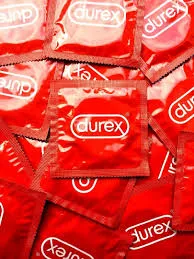
Types and Materials: Modern Choices
Contemporary condoms offer options for different needs and preferences:
-
Latex Condoms: The most common type, effective against both pregnancy and STIs. They’re elastic, durable, and relatively inexpensive. Some people have latex allergies, which can cause irritation.
-
Polyurethane Condoms: Made from plastic, these are thinner than latex, conduct heat better, and are suitable for those with latex allergies. They’re equally effective against pregnancy and STIs but may be more prone to slipping or breaking.
-
Polyisoprene Condoms: Made from synthetic latex (without the proteins that cause allergies), they offer the feel of latex without allergy risk.
-
Lambskin/Natural Membrane: Made from animal intestine, these prevent pregnancy but have pores that may allow viruses (including HIV and hepatitis) to pass through, making them ineffective for STI prevention.
-
Female Condoms: A polyurethane pouch inserted into the vagina before sex, providing protection similar to male condoms while offering women more control. Newer versions are made from nitrile.
-
Specialty Varieties: These include textured (ribbed or dotted) for increased sensation, ultra-thin for sensitivity, lubricated (with water-based or silicone-based lubes), flavored for oral sex, and enlarged or shaped varieties for comfort.
Dual Protection: How Condoms Work
Condoms provide what health professionals call “dual protection”—they prevent both pregnancy and sexually transmitted infections (STIs), a combination unmatched by any other contraceptive method except abstinence.
As Contraception: When used correctly, condoms are 98% effective at preventing pregnancy. Typical use (accounting for human error) brings this to about 87%. They work by forming a physical barrier that prevents sperm from entering the vagina.
As STI Prevention: Condoms block transmission of sexual fluids and skin-to-skin contact in covered areas, significantly reducing risk of HIV, gonorrhea, chlamydia, trichomoniasis, and hepatitis B. They offer partial protection against herpes, HPV, and syphilis, which can affect uncovered areas. Consistent condom use has been instrumental in HIV prevention globally, with studies showing 80-95% reduction in transmission risk for consistent users.
Global Public Health Impact
The condom’s role in public health cannot be overstated:
-
HIV/AIDS Response: Condom promotion has been central to every successful HIV prevention program. From Thailand’s “100% Condom Program” in the 1990s (which reduced STIs dramatically) to current global distribution efforts, condoms have saved millions of lives.
-
Family Planning: In developing nations, condoms provide accessible, user-controlled contraception, contributing to lower maternal mortality and better family economics.
-
STI Prevention: With rising antibiotic resistance in diseases like gonorrhea, condoms remain our first line of defense against untreatable infections.
-
Teen Pregnancy Reduction: Comprehensive sex education including condom information correlates with delayed sexual activity and lower teen pregnancy rates when teens do become sexually active.
Despite this, global condom access remains uneven, with stigma, gender inequality, cost, and misinformation limiting use in many regions.
Sociocultural Dimensions: Taboos, Marketing, and Empowerment
Condoms exist within complex sociocultural contexts. Religious doctrines have variously condemned, tolerated, or encouraged their use. Many cultures have associated condoms with promiscuity or immoral behavior rather than health. Gender dynamics significantly affect use—women in many societies cannot insist on condom use without risk of violence or abandonment.
Marketing has played a crucial role in normalizing condoms. From early 20th century “protection” euphemisms to Durex’s lifestyle-focused advertising and the US’s edgy “Got a Condom?” campaigns, packaging and promotion have worked to reduce stigma. The 1990s saw condoms rebranded as “fun” rather than clinical, with colors, textures, and flavors.
Feminist health movements have advocated for female-controlled barriers like the female condom. The AIDS crisis saw activists like ACT UP demand better condoms and distribution, while LGBTQ+ communities developed specific safer sex education.
Proper Use: Maximizing Effectiveness
Correct usage is essential for condom effectiveness:
-
Check expiration dates and packaging integrity
-
Open carefully—no teeth or scissors that might tear
-
Pinch the tip before unrolling to leave space for semen
-
Roll onto erect penis before any genital contact
-
Use adequate water-based or silicone lubricant (oil-based products degrade latex)
-
Hold the base during withdrawal to prevent slipping
-
Dispose of properly—never reuse
Common errors include incorrect storage (heat damages condoms), double-condom use (causing friction and breakage), and inconsistent use (“just this once” thinking).
Future Innovations and Challenges
The condom continues to evolve:
-
Material Science: Researchers are developing new materials like graphene-enhanced latex for strength and thinness. Hydrogel condoms that feel like skin are in development.
-
Design Innovations: The Origami Condom (collapsible into shape) and the “Pronto” condom (pre-lubricated in a unique applicator) aim to increase ease of use.
-
Global Access: Organizations like the UNFPA distribute billions annually, but demand still outpaces supply in many regions. Subsidies, vending machines, and integration with other health services are expansion strategies.
-
Combination Products: Researchers are testing condoms with embedded antiviral agents for extra protection.
-
Education Initiatives: Digital tools, peer education, and destigmatization campaigns continue to be crucial.
Challenges include climate change affecting rubber production, persistent cultural and religious barriers, competition from PrEP (HIV pre-exposure prophylaxis), and the rise of dating apps changing sexual networking patterns.
Conclusion: A Small Device with Immense Responsibility
The condom represents a remarkable convergence of personal responsibility and public health—a technology that places the power of protection literally in people’s hands. Its story mirrors broader societal shifts: from taboo to commonplace, from hidden to prominently displayed, from purely contraceptive to fundamentally protective. As STIs continue to spread and unplanned pregnancies affect life trajectories globally, condoms remain an essential, though imperfect, tool.

Perhaps the condom’s greatest lesson is that the simplest solutions often have the most profound impacts. A device costing pennies can prevent medical costs totaling thousands, prevent life-altering infections, and enable family planning that lifts communities from poverty. Its continued evolution—both technological and social—will remain crucial to global health in the 21st century. In a world facing complex health challenges, the humble condom stands as proof that sometimes, the barriers we create can be the very things that set us free.


 Surendra