
Discovering Kolkata: The Soul of India and Its Unmissable Tourism Gems
Kolkata, formerly Calcutta, is not merely a city; it is an emotion, a living museum of India’s colonial past, cultural renaissance, and indomitable spirit. As the capital of West Bengal, it proudly carries the title of the “Cultural Capital of India.” A visit to Kolkata is a journey through time, art, intellectual discourse, and culinary delight. Unlike cities that dazzle with sheer modernity, Kolkata wins hearts with its raw, poetic charm, where grandeur and gritty reality coexist in a captivating dance. For the discerning traveler seeking depth over gloss, Kolkata stands as one of India’s best and most profound tourism destinations.
A Historical Tapestry: Where Empires Converged
Kolkata’s story is pivotal to understanding modern India. Founded by the British East India Company in 1690, it served as the capital of British India until 1911. This legacy is etched into its very architecture.
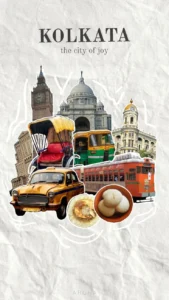
The Colonial Imprint: A walk through the Dalhousie Square (B.B.D. Bagh) area is a walk through the annals of the Raj. The majestic Victoria Memorial, a magnificent white marble monument surrounded by lush gardens, is the city’s most iconic landmark. It houses a museum chronicling the city’s history. Nearby, the St. John’s Church, the Raj Bhavan (Governor’s House), and the Writers’ Building speak of administrative power. The Howrah Bridge (now Rabindra Setu), an engineering marvel over the Hooghly River, is not just a conduit for traffic but the city’s enduring symbol, best viewed at dawn or dusk.
Beyond the British: Kolkata’s history is older. The Dakshineswar Kali Temple, on the banks of the Hooghly, is a 19th-century architectural masterpiece associated with the mystic Sri Ramakrishna. Across the river, the Belur Math is the global headquarters of the Ramakrishna Mission and a serene place of worship notable for its architecture that harmonizes Hindu, Christian, and Islamic motifs.
The Cultural Heartbeat: Art, Literature, and Festival
Kolkata breathes culture. This is the city of Nobel laureates Rabindranath Tagore and Amartya Sen, and filmmaker Satyajit Ray.
Art and Cinema: The Indian Museum is the oldest and largest museum in India. For modern and contemporary art, the Academy of Fine Arts and Victoria Memorial Hall are essential. Cinema is a religion here, with classics from the Bengal film industry (Tollywood) and art-house cinema celebrated in historic theaters like Nandan.
Durga Puja: The Grand Spectacle: To visit Kolkata during Durga Puja (usually September-October) is to witness the city transformed into a living, breathing artwork. For five days, the city doesn’t sleep. Elaborately crafted pandals (temporary temples) on every street corner house magnificent idols of Goddess Durga. The air thrums with dhak (drum) beats, the scent of dhuno (incense), and collective euphoria. It is an immersive experience of artistic devotion and community celebration unmatched anywhere in the world.
Literary Legacy: College Street, the “Boi Para” (Book Town), with its mile-long stretch of book stalls and the iconic Coffee House, has fueled revolutions and literary movements for over a century. It remains a haunt for students, intellectuals, and poets.
Neighborhoods with Narratives: Exploring by Locality
Kolkata reveals itself best through its distinct neighborhoods.
-
North Kolkata: The old city, with its crumbling rajbaris (mansions), narrow lanes, and traditional sweet shops. Explore Kumartuli, the fascinating potter’s quarter where artisans sculpt the Durga idols year-round.
-
Central Kolkata: The bustling commercial and historical heart, home to New Market, Park Street, and the colonial buildings.
-
South Kolkata: More residential and modern, with upscale neighborhoods like Ballygunge, cultural centers, and the lush South Park Street Cemetery, a historical relic in itself.
-
The Waterfront: A cruise on the Hooghly River offers a unique perspective of the city’s skyline and ghats. The Prinsep Ghat, with its Palladian porch, is perfect for a serene evening.
A Symphony for the Senses: Kolkata’s Culinary Landscape
Kolkata’s food is a love language. It’s a blend of Bengali home-style cooking, street food legends, and colonial-era confections.
Must-Try Delicacies:
-
Street Food: Puchkas (the local, more tangy version of pani puri) from Vivekananda Park, Kathi Rolls from Nizam’s or Kusum’s, Telebhaja (fritters), and Jhal Muri (spicy puffed rice).
-
Sweet Indulgence: No visit is complete without Rosogolla (invented here), Sandesh, Mishti Doi (sweet yogurt). Iconic sweet shops include KC Das, Balaram Mullick & Radharaman Mullick, and Ganguram.
-
Hearty Meals: A traditional Bengali bhoj (meal) with rice, fish curry (like Ilish Maach during monsoon), shukto, and cholar dal is an experience. For a historic dining experience, step into Kewpie’s for authentic Bengali cuisine or Peter Cat on Park Street for its legendary Chelo Kebabs.
-
The China Connection: Kolkata has India’s oldest Chinatown in Tiretta Bazaar, famous for its exotic early-morning breakfast street food. Tangra is the hub for Indo-Chinese restaurants.
Essential Experiences for Every Traveler
-
Take a Tram Ride: Climb aboard one of the world’s oldest operating electric tram systems for a slow, nostalgic ride through the city’s arteries.
-
Attend a Cultural Performance: Catch a Rabindra Sangeet (Tagore song) recital, a classical dance performance, or a play at the Academy of Fine Arts or Rabindra Sadan.
-
Shop at New Market: For over a century, this labyrinthine market has been the go-to for everything from clothing and spices to Christmas cakes.
-
Explore the Flower Market (Mallick Ghat): At the foot of the Howrah Bridge, this riot of color and fragrance is a photographer’s paradise and a sensory overload.
-
Visit the Marble Palace: An eccentric, privately owned 19th-century mansion in North Kolkata filled with European sculptures, antiques, and a private zoo.
Practical Information for Travelers
-
Best Time to Visit: October to March, during the pleasant winter. Avoid the scorching, humid summer (April-June) and the monsoon rains (July-September) unless visiting for the monsoon-specific Hilsa fish or early Puja preparations.
-
Getting Around: The Kolkata Metro is efficient. Metered taxis and app-based cabs (Uber, Ola) are plentiful. For short distances, auto-rickshaws are common. Trams and ferries offer scenic, slow travel.
-
Accommodation: Ranges from heritage stays like the Fairlawn Hotel in Sudder Street, to luxury options like the Taj Bengal or ITC Royal Bengal, and numerous budget hotels and hostels.
Conclusion: The City of Joy Awaits
Kolkata does not try to sell itself. It simply is. It can be overwhelming with its crowds and chaos, but therein lies its authenticity. It is a city that engages your mind, stirs your soul, and satiates your palate. It asks for a little patience but repays it with profound memories—of a sunset over the Hooghly, the taste of a perfect rosogolla, the echo of poetry in a coffee shop, or the divine energy of Durga Puja. For the traveler seeking a destination with a deep historical narrative, vibrant living culture, and unparalleled warmth, Kolkata is not just a good choice; it is arguably one of the best tourism places in India to experience the country’s intellectual and artistic heartbeat. Come, and let Kolkata’s unpretentious grace leave an indelible mark on you.


 Editor